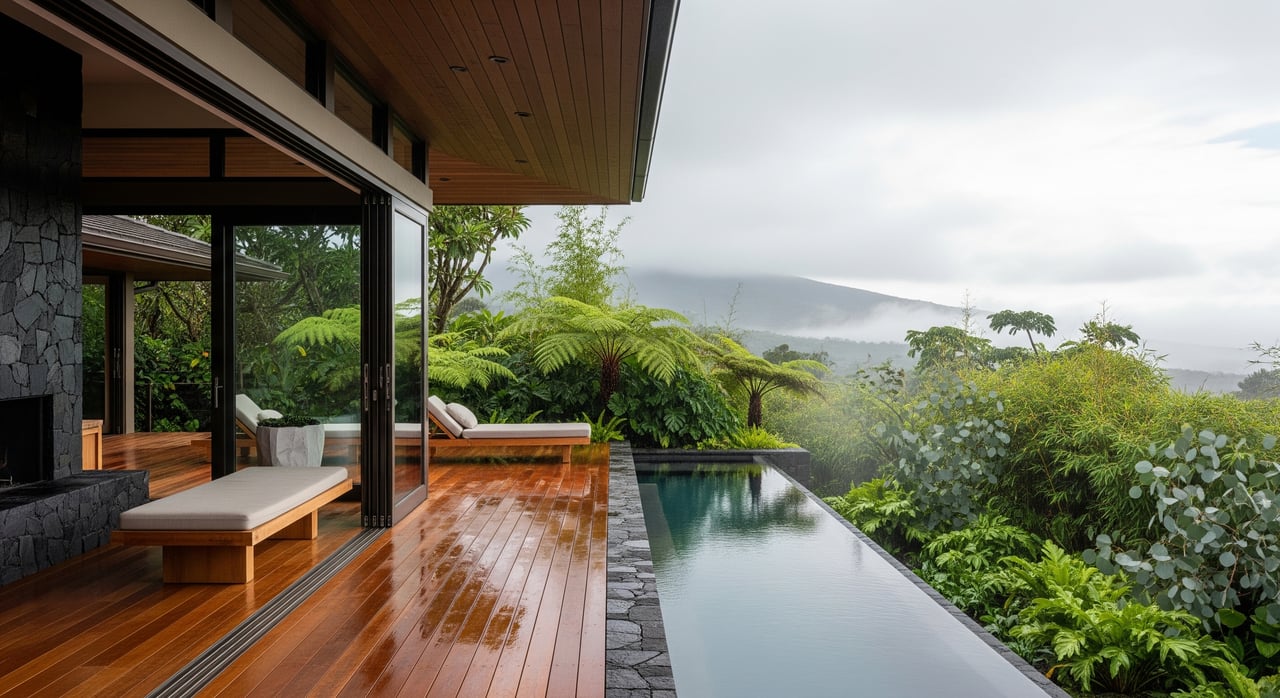
You can drive five minutes in Haiku and watch the weather change. One ridge is breezy and bright, the next valley feels cooler, wetter, and still. If you are buying or selling in Haiku, that microclimate matters for comfort, upkeep, insurance, and long-term value. In this guide, you will learn how Haiku’s trade winds, elevation, and topography affect homes and what to do about it so you can plan with confidence. Let’s dive in.
Haiku’s microclimate at a glance
Trade winds and rain patterns
Haiku sits on Maui’s windward side, where northeast trade winds push moisture inland. On typical trade-wind days, you can see morning clouds and passing showers, followed by afternoon clearing. Windward exposure means higher humidity and more frequent light rain than leeward coastal areas.
Elevation, aspect, and valleys
Elevation shifts and ridgelines create pockets of different weather within a short distance. Slopes that face the wind stay wetter and more humid, while leeward-facing slopes and low-lying pockets can be drier and sunnier. Sheltered valleys tend to hold moisture and fog longer, which affects landscaping growth, mold risk, and how often you need exterior maintenance.
Seasonality you can expect
Trades are typically strongest in summer and lighter in winter. Winter brings more storm systems that can increase rainfall. These seasonal shifts influence drainage needs, roof performance, and day-to-day comfort.
What it means for your home
Moisture and materials
Humidity and frequent showers speed up wear on wood, paint, and metal. Trim, siding, and fasteners in wetter pockets often need attention sooner. Plan for regular inspections that look for rot, paint failure, and corrosion, and address small issues quickly to avoid bigger repairs.
Roofs, gutters, and drainage
In Haiku, your roof and drainage are frontline defenses. Gutters and downspouts should be sized and installed to move water away from the foundation fast, especially on windward-facing roofs. Keep debris clear, check flashing and penetrations, and confirm that grading pulls water away from the structure.
Foundations and pests
Moist soils and humid air affect foundations in different ways. Elevated homes with good underfloor ventilation tend to perform better than tight, unventilated crawlspaces. Warm, humid conditions also support termite and pest activity, so periodic pest inspections and preventative treatments are common.
Slopes, erosion, and landslides
Steep slopes combined with orographic rainfall can raise the risk of surface runoff, erosion, and localized slope instability. Property-specific factors matter most, including soil type, slope grade, and drainage. If a parcel shows signs of erosion or has significant grade, consider a geotechnical review before you commit.
Flooding and tsunami context
Haiku is inland from the immediate shoreline, but localized flooding can occur near streams, valley drainage channels, or low-lying areas after heavy rain. Tsunami exposure is greater right along open coastlines, yet you should still confirm a property’s elevation and location relative to the shore. Use FEMA flood zoning and local evacuation maps as part of your due diligence.
Water and wastewater systems
Properties in Haiku vary. Some connect to county water, while others use rainwater catchment, wells, or cisterns. Wastewater systems depend on soil percolation and site constraints. Hawaii has been phasing out cesspools, so verify what system is permitted on the property and any upgrades that may be required.
Energy, comfort, and solar
Breezy sites benefit from natural ventilation that can reduce cooling loads. Sheltered valleys with less wind may need more mechanical cooling or dehumidification for comfort. Solar production depends on cloud cover and site shading; while windward areas can see more clouds, many Haiku properties still achieve solid PV performance with a site-specific assessment.
Landscaping and wildfire
High rainfall supports lush vegetation, which looks beautiful but grows fast. Plan for routine trimming and green waste management. Wildfire risk in Haiku is generally lower than in dry leeward zones, yet dry pockets and invasive grasses on slopes can present seasonal hazards, so keep defensible space tidy.
Buying smart in Haiku
Due diligence checklist
Use this checklist to tailor your offer and inspection timelines:
- Check FEMA Flood Insurance Rate Maps to understand the parcel’s flood zone.
- Review Maui County GIS for streams, drainage features, and landslide-prone areas.
- Order a full home inspection with added focus on roof condition, flashing, gutters, ventilation, water intrusion, mold, rot, and termite or pest damage.
- For sloped lots, consider a geotechnical review if you see erosion, retaining walls under stress, or significant grading.
- Verify water source and quality, and confirm the permitted wastewater system and any required upgrades.
- Ask for seller disclosures on past flooding, leaks, repairs, mold remediation, and insurance claims.
- Request maintenance records for exterior finishes, roof work, and structural repairs.
- Obtain homeowner insurance and, if needed, flood insurance quotes early so you understand premiums and exclusions.
Bold action: Get the FEMA flood zone and an insurance quote before finalizing your offer.
How to compare micro-locations
When touring, note breeze, sun, and moisture within each block. Stand on both windward and leeward sides of the home. Look for moss on walkways, mildew on walls, and staining on soffits. Ask about typical afternoon winds, how fast the yard dries after rain, and any drainage upgrades the owner has made.
Selling with confidence
Prep that reduces friction
Show buyers you have managed the microclimate well. Clean gutters, clear drains, and service the roof before listing. Document termite treatments, ventilation improvements, and any mold remediation. Simple upgrades like improved grading, splash blocks, and downspout extensions can reassure cautious buyers.
Presentation and disclosure
Present a clear property story. Share records for exterior paint cycles, roof inspections, and drainage improvements. Disclose any known moisture or erosion issues and provide permits for past work. Transparency builds trust and shortens negotiations.
Budgeting and insurance
Maintenance planning
Expect higher exterior maintenance than typical mainland markets. Plan for more frequent paint touch-ups, annual roof and gutter checks, and routine pest control. For comfort, consider mechanical ventilation or a dehumidifier in sheltered or shaded parts of the home.
Insurance and finance keys
Insurance carriers weigh flood zone, roof condition, and any history of water damage. Some properties in higher-risk areas may need separate flood insurance. Lenders can require additional coverage depending on location and property features. Factor these costs into your total housing budget.
Marketability and value
What buyers prioritize
Preferences vary. Many buyers favor breezy, cooler sites with good drainage, while others focus on garden-friendly yards or proximity to the coast. Parcels that feel persistently wet or shaded can turn off buyers who want low-upkeep landscapes, while homes with steady airflow and dialed-in drainage often command a premium.
Positioning your property
If you are selling, highlight microclimate advantages you can feel during a showing. Open windows to demonstrate cross-breezes. Share a maintenance log that proves the home’s roof, paint, and drainage are in top shape. If you have solar, provide recent production summaries and note any shading studies.
Local resources to verify
For a specific Haiku property, consult these authorities and local professionals:
- National Oceanic and Atmospheric Administration and the National Weather Service for regional climate summaries and station data.
- University of Hawaii Cooperative Extension and CTAHR for guidance on island microclimates, landscaping, mold prevention, and pests.
- FEMA Flood Map Service Center for official flood zone designations.
- Maui County Planning Department and Maui County GIS for parcel maps, permits, and hazard layers.
- Maui County Department of Water Supply for public water service availability.
- Hawaii Department of Health for wastewater rules and cesspool guidance.
- Licensed inspectors and geotechnical engineers for property-specific assessments.
- Insurance providers and local brokers for homeowners and flood policy options and premiums.
Ready to align your move with Haiku’s microclimate? Our team helps you evaluate airflow, drainage, maintenance history, and insurance considerations so you can buy or sell with clarity. For discreet guidance tailored to your goals, connect with Team Luxum Group Brokered by eXp Realty. Request Your Instant Property Valuation or Schedule a Private Consultation.
FAQs
Do I need flood insurance in Haiku?
- Check the property’s FEMA flood zone and get an early quote, since localized flooding can occur near streams and low-lying areas even outside high-risk zones.
How much should I budget for moisture-related upkeep in Haiku?
- Plan for more frequent exterior paint touch-ups, annual roof and gutter inspections, and periodic pest control, then refine with estimates from local contractors.
Are septic systems common in Haiku, Maui?
- Wastewater systems vary by parcel; verify the permitted system and any required upgrades, especially as Hawaii phases out older cesspools.
Is Haiku good for solar panels?
- Many homes perform well with PV, but production depends on cloud cover and shading, so get a site-specific solar assessment.
How do trade winds affect cooling in Haiku homes?
- Breezy sites often need less mechanical cooling thanks to natural ventilation, while sheltered valleys may benefit from dehumidification or HVAC.